
Locate Walnut Creek Neighbors by Block
A block lookup works best when each source answers one question. CCMap supplies parcel geometry and the APN, the county's cross-system key. The Assessor roll can establish an owner or mailing record through the proper channel, while the Recorder shows instruments and legal descriptions. California voter information follows an approved-purpose rule. Community groups add local context, but their public pages are not verified resident lists.
| Source | What It Shows About a Block | Access |
|---|---|---|
| CCMap parcel viewer | Parcel outlines, APNs, mapped context, and nearby land units | Free web viewer |
| Contra Costa Assessor | Public roll facts, situs, mailing information, values, and characteristics | Web discovery and counter inspection |
| RecorderWorks | Indexed parties, recording dates, document types, and transfer instruments | Free index; copies by order |
| Approved voter file | Registration facts at an address only for an authorized project | Restricted under California law |
| CERT areas and associations | Public neighborhood structure, civic contacts, or governing units | Public pages; member access varies |
| Historical directories and archives | Listed subscribers, past households, photos, and neighborhood history | Library or History Center |
These sources describe different roles. A recorded owner may receive tax mail elsewhere. A permit applicant may be a contractor. A voter record follows an approved purpose, and a historical directory captures a listed subscriber for one year. Calling every name a Walnut Creek neighbor would erase useful distinctions.
Map Walnut Creek Neighbors in CCMap
CCMap is the first pass because it treats an address as a parcel location, not a name search. County documentation notes address navigation, parcel outlines, APNs, aerials, contours, downloadable maps, building square footage, lot size, and radius capability. It gives a spatial start, not a public owner-name directory. A parcel line is not a survey.
Use the parcel-click workflow to make the block question precise. Keep the original address beside the normalized search string.
- Search the target address in CCMap and zoom until the parcel outlines are clear.
- Click the target parcel and record its APN, map context, and any displayed property details.
- Click the parcels north, south, east, and west, then check parcels across the street one at a time.
- Record each nearby APN and its relation to the target instead of treating proximity as a household link.
- Use the county's documented radius capability only for a defined question. The Assessor lists a $50 counter radius search, which is distinct from casual map browsing.
- Move from APNs to the roll and Recorder when the question is ownership or a recorded transfer, not simply who appears close on screen.
For a whole named street, use the Walnut Creek street directory workflow for parcels, deeds, permits, and historical listings. Neighbor lookup stays focused on the immediate block or a stated radius.
Walnut Creek Neighbor Adjacency Has Limits
Adjacent parcels describe land, not people. One APN may support a structure, several condominium units, or a common-area parcel. A mapped boundary cannot show a shared entrance, household tie, or occupied home. A radius result groups land by distance, not by everyday block identity.
These terms keep a Walnut Creek block search honest. They are record keys, not identity shortcuts.
- Adjacency
- A parcel that shares a mapped boundary or sits directly across the street. It is a spatial clue, not a survey finding.
- Radius search
- A distance-based parcel set. It can widen the research area, but it does not turn nearby parcels into a public roster.
- APN
- The Assessor's parcel number, used to connect map, assessment, tax, and deed research. Splits and mergers can change the key.
- Situs address
- The physical location of the parcel. It can differ from the mailing address used for assessment notices.
- Assessee
- The owner or entity named on the assessment roll. An assessee is not automatically an occupant or every person at the address.
Note: A shared boundary can connect two parcels, several units, a common area, or no occupied home.
Walnut Creek Owner Records by Parcel
ParcelQuest Lite and CCMap turn a Walnut Creek street address into an APN. ParcelQuest searches by APN or street address and supplies parcel maps, assessed values, and house details. County web products omit owner names. A blank web result does not mean the public roll lacks owner information.
The Assessor counter at 2530 Arnold Drive, Suite 100, Martinez, is the roll-inspection fallback. It lists 925-313-7400 and weekday hours of 8 to 4. Published charges include $3 per map page, $50 for a radius search, $1 per property-printout page, and $7.50 per parcel for characteristics. These services answer parcel questions, not occupancy.
The next step is the RecorderWorks index. Modes include name, document number, book and page, recording date, and document type. Name search uses last name, a space, and first name, with partial matching available. Search the current recorded owner as grantee, inspect the instrument and legal description, then follow the earlier grantor when needed. The Clerk-Recorder counter at 555 Escobar Street handles older index or copy questions at 925-335-7900.
Walnut Creek Neighbors and Eight CERT Areas
Walnut Creek's CERT framework adds community context without claiming to list residents. The official city page names eight areas: Buena Vista, Civic Park, Heather Farm, LarRieu, Northgate, Rossmoor, Sugar Loaf, and Tice Valley. These names can place a civic question in the right neighborhood context when a block sits near a boundary.
A CERT area is an organizing framework, not an address directory. Public preparedness information may identify an area or contact path, but the research found no public member roster. Use parcel and custodian records for ownership or recorded documents.
Walnut Creek Associations and Neighbors
Neighborhood associations add a civic layer around a block. The research identifies Rancho San Miguel, Parkmead, Walnut Knolls, Rossmoor mutuals, Northgate Area Community Association, Walnut Heights, and Lakewood Area Neighborhood Association. Their public value is organizational: a board contact, governing unit, neighborhood name, or local question path. It is not a verified list of everyone nearby.
| Association layer | Public contact can establish | Member-data boundary |
|---|---|---|
| Rancho San Miguel Association | Neighborhood identity and any public civic contact | Do not infer a public member roster |
| Parkmead Community Association | Association identity and public community channel | Private membership is not assumed |
| Walnut Knolls Association | Association structure and public contact path | Member account is gated |
| Rossmoor mutuals | Governing mutual organization | Directory is not a resident roster |
| Northgate Area Community Association | Neighborhood organization and public contact if posted | Member list remains unverified |
| Walnut Heights organization | Local civic context | No public household list is established |
| Lakewood Area Neighborhood Association | Neighborhood identity and public civic context | No public member list is established |
Rossmoor's public mutuals directory identifies a governing unit, while Walnut Knolls' gated account signals that member information is not public. Historical Society folders add background, but an old affiliation is not current residency.
Walnut Creek Voter Data and Neighbors
California's registration-status gateway is an individual self-check, not a public name-and-street roll. Elections Code section 2194 permits voter information for election, scholarly, journalistic, political, or governmental purposes approved under the state's framework. It bars personal, private, or commercial use, harassment, marketing, and unauthorized Internet display. A block lookup cannot enumerate nearby voters.
The California voter confidentiality statute is the controlling reference for permitted access and use.
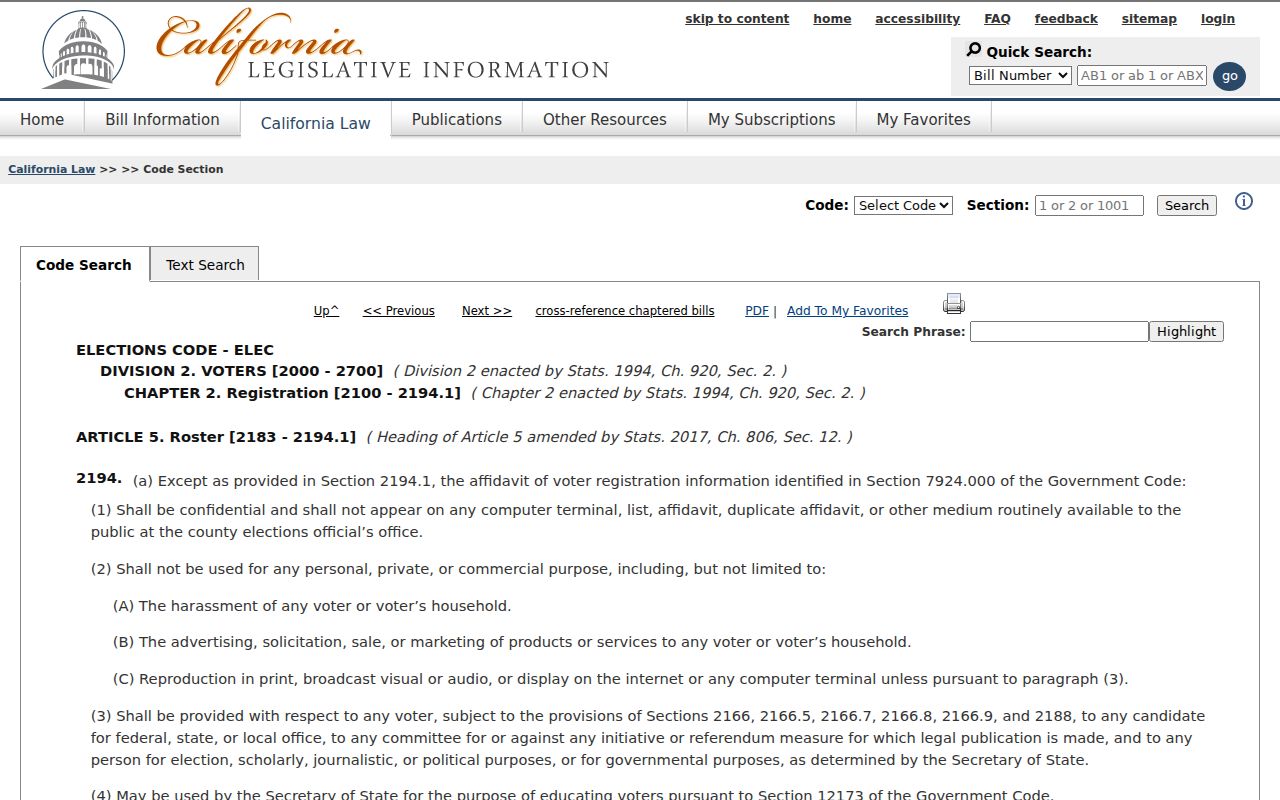
The statute matters at block level because a nearby address is still personal voter information, not a casual neighborhood clue. Even an approved file stays limited by its stated purpose and security conditions.
The Secretary of State rules describe protected fields such as a street home address, telephone, email, precinct, prior registration, identification numbers, and signature. They also describe approved-file fields and participation history, while ballot choices remain private. The voter-information access rules require a permitted file request to identify the requester, purpose, geography, data scope, safeguards, and delivery terms.
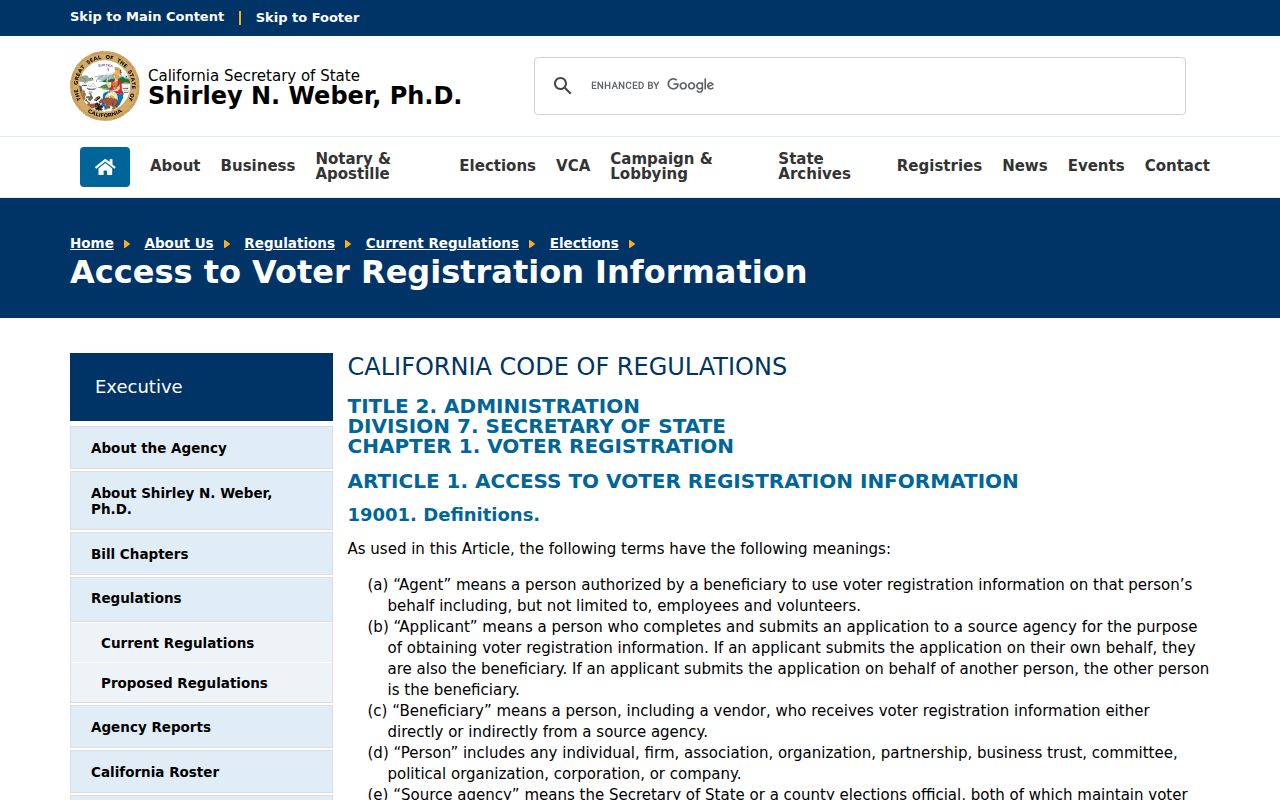
The official status lookup helps a voter check a personal record; it does not identify every Walnut Creek neighbor on a street.
Walnut Creek Status Searches Are Not Directories
Some official systems describe custody or registry status, not who lives on a block. The California Megan's Law registry provides name and map or address-area modes with statutory-use limits. It is not a general Walnut Creek neighbors list.
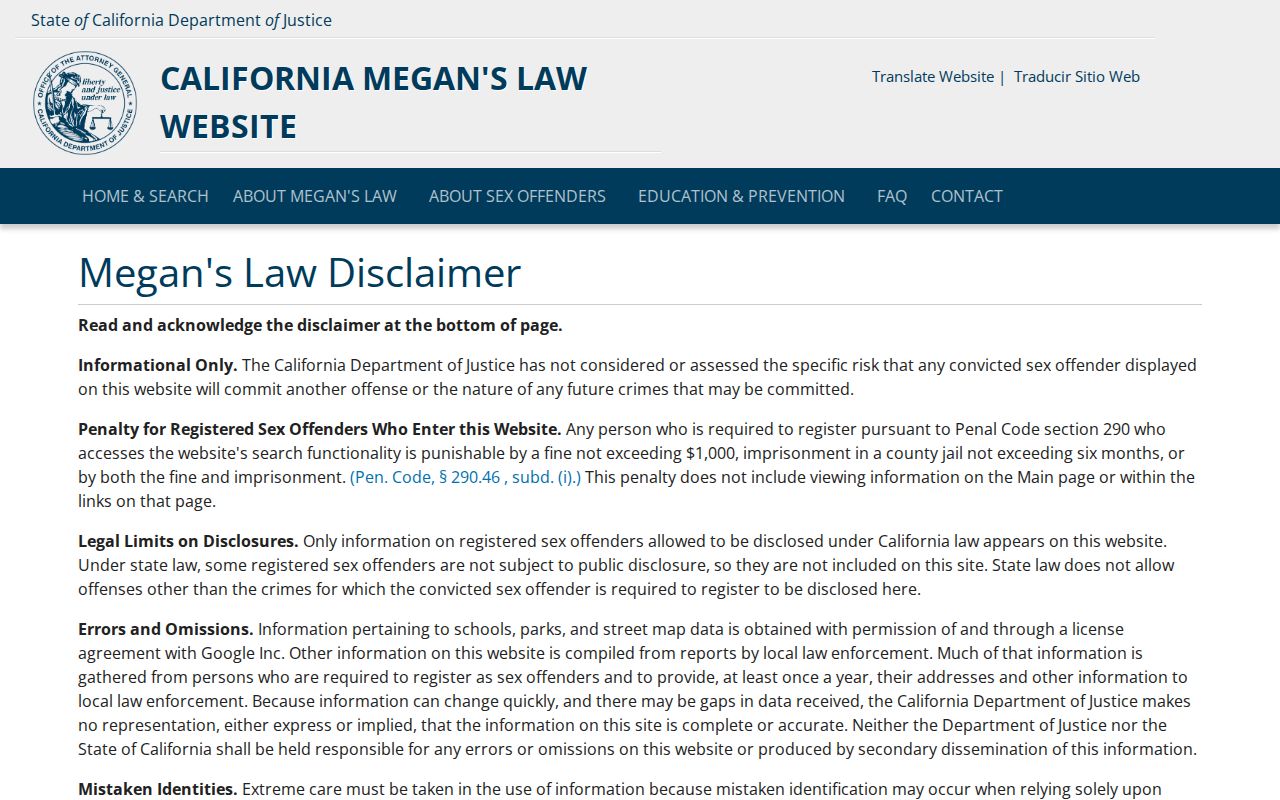
The registry's map is not a parcel or occupancy map; its legal notices control use.
CDCR Search Population, known as CIRIS, accepts a CDCR number or a last and first name and returns custody, status, or location information subject to its notices. It is not evidence that a person is a Walnut Creek neighbor.
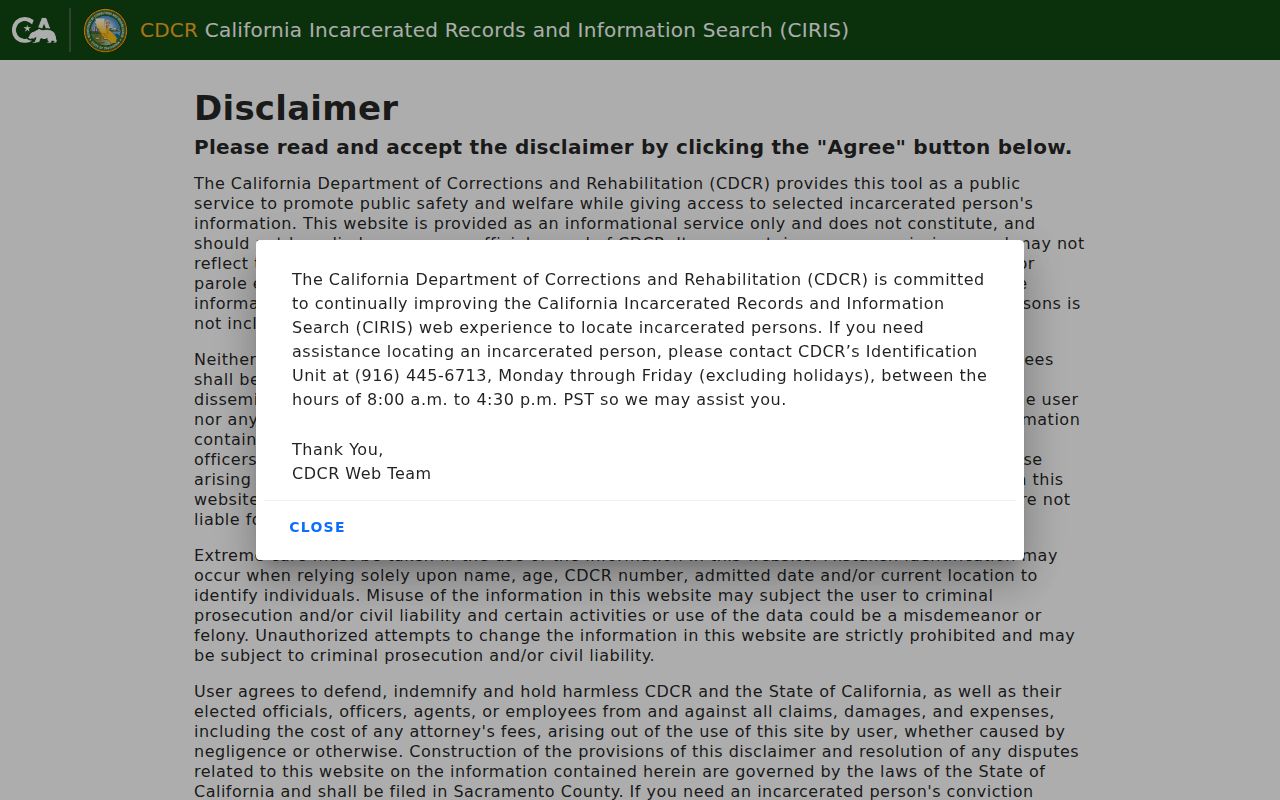
Keep status results separate from a block roster. Neighbor questions belong with parcel, ownership, association, and lawful community sources.
Walnut Creek MYTH: Every Neighbor Is Listed
The word “directory” can sound complete when it is not. A Rossmoor mutuals directory identifies governing organizations. A CERT page identifies eight areas. An association page may show a board or public contact. None promises every household or a private member list.
The same warning applies to exact-looking records. The county suppresses owner names online. Voter data is purpose-limited. Public permits name project parties and dates, not every occupant. Utility customers, delivery records, non-owner household members, and protected addresses stay outside these paths.
Walnut Creek Neighbors: Official vs Commercial
Official sources serve a defined custodian function. They expose a parcel, instrument, registration rule, association structure, or status result under a stated policy. Commercial people-information services may combine public and purchased data, but compilation does not make a result current or authoritative.
| Source category | Useful signal | What it cannot establish |
|---|---|---|
| CCMap and Assessor | Parcel location, APN, roll context, and mapped relationships | Every occupant or a boundary survey |
| Recorder index and copies | Recorded parties, dates, instruments, and legal descriptions | Who sleeps at the address |
| Approved voter data | Registration information for a permitted project | A casual street roster or ballot choice |
| Associations and CERT | Public civic contacts, governing units, and area context | Private members or all nearby households |
| Commercial people-information category | Possible lead for a lawful personal question | Custodian-level accuracy, freshness, or access to protected records |
For family history, reconnecting, block curiosity, or scam awareness, the official path is slower but easier to audit. Preserve the source, date, role, and APN or document number. Treat a compiled profile as an unverified lead.
Walnut Creek Neighbor Privacy Limits
Some gaps are intentional. Non-owner household members may not appear in property records. DMV data, utility and delivery details, ballot choices, protected voter addresses, private association lists, and sealed files are not open block data. California Safe at Home gives qualifying participants a substitute mailing address, forwarding, and an agent-for-service route. It does not erase every older public record, and property bought in a participant's name can retain a public legal description. Never reconstruct a protected address from nearby clues.
A precise city or county California Public Records Act request can identify a department, date range, address, name, or record class. It should seek an existing record, not a new list of Walnut Creek neighbors. Court, vital, and voter records follow their own rules. The Walnut Creek public-records procedure explains local channels and the city's determination process.
Lawful use. Neighbor lookups in Walnut Creek belong to ordinary civic curiosity, family reconnection, and personal safety awareness. Using records to stalk, harass, intimidate, or harm someone violates lawful-use boundaries and can trigger California penalties.
Note: A missing name may reflect suppression, an older file, a different custodian, a spelling variant, or a confidentiality program.