
Walnut Creek Previous Residents by Era
One address needs more than one record set. The era table below separates title evidence, listed-person evidence, household evidence, and construction evidence. It also shows where the local trail breaks. The RecorderWorks index is useful for party and document searches, but Contra Costa’s exact online cutoff was not stated in the accessible official material. The 1850 federal population schedule is lost for Contra Costa, while the county’s 1850-1910 assessor books survive at CCCHS.
| Source | Years It Covers | Where Held | What It Shows |
|---|---|---|---|
| Recorder and RecorderWorks | County records from the mid-19th century; exact web cutoff not located | Contra Costa Clerk-Recorder | Grantors, grantees, dates, document numbers, legal descriptions |
| CCCHS assessor books | 1850-1910 | History Center, Martinez | Annual property, owner, and tax context |
| Contra Costa telephone directory | Mar. 1949-Sep. 1950 | Library of Congress scan | Listed subscriber, address wording, telephone number |
| Federal census | 1790-1950 extant schedules; Contra Costa 1850 lost | NARA and library databases | Enumerated households through 1950 |
| Local newspapers | Selected runs from 1930-1972; later runs also held | Walnut Creek Library | Obituaries, notices, social and address clues |
| City or county permits | Historical city coverage not verified; county unincorporated ePermits from Jan. 1, 1980 | City Community Development or county system | Work, applicant, contractor, owner where public, and dates |
Use the deed and assessor rows to establish property succession. Use the telephone, census, and newspaper rows to test who was listed or enumerated. Use permits to date a physical change. A source can support a role without proving that a named person occupied the building.
Walnut Creek Past Residents: APN
Modern street text is the wrong first key for a long house history. Search the address in CCMap or ParcelQuest Lite, then save the assessor parcel number, or APN. An APN is the county’s parcel key. A situs is the physical location. A mailing address is where assessment mail goes. An assessee is the owner or entity shown on the assessment roll. A legal description is the deed’s operative land identity. They can point to the same property, but they are not interchangeable.
The county property tools can resolve an APN, address, parcel map, assessed value, and house details, but owner names are deliberately omitted from Internet property products. The public assessment roll remains available at the Assessor counter at 2530 Arnold Drive, Suite 100, Martinez, 925-313-7400, weekdays from 8 to 4. A counter request for the roll year, owner or assessee, mailing address, and legal description gives the deed search a lawful starting point. A mailing mismatch is a clue about correspondence, not proof that the owner did not live there.
Record the original address. Keep unit numbers, compass prefixes, street types, ZIP code, and old spelling exactly as supplied. Search a normalized form too, but preserve the original for directory scans and historic maps.
Walnut Creek Past Residents: Deed Chain
Contra Costa RecorderWorks exposes several search paths: Search by Name, Document Number, Book and Page, Recording Date, and Document Type. In name mode, the instructions use last name, a space, and first name; partial matching is available, and dates use month, day, and year. A document number opens the indexed entry, and the cart supports an image or copy order. The index is a party and metadata tool, not a reliable modern address search.
- Use the current APN, roll information, and legal description to identify the present property.
- Search the current owner or entity as a grantee, then compare the recording date and document number.
- Read the indexed grantor, grantee, legal description, APN, and transfer language together.
- Search the seller as an earlier grantee and repeat the sequence backward.
- When an online result ends, carry the last verified name, date, map reference, and legal description to the counter.
A grantor transfers an interest. A grantee receives one. A chain of title is the linked sequence of transfers that explains how an interest moved from one party to the next. A legal description identifies the land more reliably than a changed street label. A deed of trust secures a loan, a reconveyance releases that security, and a lien records an encumbrance. None should be treated as a change in resident without a separate household source.
Walnut Creek Previous Residents at RecorderWorks
The exact year when the online index stops was not located in the official research. Do not insert a guessed cutoff into a house history. The correct fallback is the Contra Costa Clerk-Recorder index and copy channel, including counter research at the office listed in the county records material. The Clerk-Recorder phone is 925-335-7900. A precise request identifies an APN, document number, party name, document type, or date span rather than asking staff to produce an undefined list of previous residents.
RecorderWorks is free at the index level, but copies and certifications follow the recorder’s own schedule. A name result may contain an unrelated party with a similar spelling. Limit by date and document type, open the index detail, and verify the legal description before ordering. Re-recorded instruments can correct earlier indexing. A map, notice, agreement, trust deed, release, or judgment may concern land without changing ownership.
Comparison point. The web index can be quick and broad. The counter can bridge older books and explain a record that the web view does not show. Neither channel turns a party name into a confirmed resident.
For a municipal administrative record outside the deed index, California Public Records Act requests can be directed to the appropriate city or county custodian. A request should identify an existing record, a date range, an address or APN, and the record class. It should not ask an office to create a new household roster.
Walnut Creek Previous Residents: Assessment Books
Contra Costa County Historical Society holds assessor books from 1850 through 1910. They are unusually important because the federal 1850 population schedule for Contra Costa did not survive. An assessment book can preserve annual property and tax context, an owner name, or a parcel description. It does not replace a household census, and a person in the roll may be an owner, assessee, or legal party rather than an occupant.
Louis Stein rescued county assessment volumes when the county shifted from paper to microfilm. His 1984 donation of papers, books, photographs, slides, and maps helped seed the History Center. CCCHS also holds maps, historic court material, probate by decedent, naturalization records from 1850 through 2008, early vital and cemetery indexes, obituaries, and biographies. A free review starts the research. Personal-use research is listed at $20 per hour for members and $30 for nonmembers, with on-site nonmember research at $20 per hour. Call 925-229-1042 before relying on a delicate map.
The county’s 2024-2026 restrictive-covenant project adds a timely records wrinkle. OCR and human review are being used across millions of deed images, with an FY 2024-25 update describing 8.8 million official records reviewed, 38,000 potentially responsive records, 2,900-plus volunteer transcriptions, and 172 confirmed covenants by March 2025. That work may support future parcel history, but it is not a promise of a public resident database or a substitute for reading the original instrument.
Walnut Creek Previous Residents in 1949-1950
The confirmed Library of Congress telephone directory covers March 1949 through September 1950, with Walnut Creek pages beginning around image 60. The entry inventory is specific: surname first, given name or initials, an r residence mark, a street, road, lane, highway, or locality, and a telephone number. Household composition, spouse, a full ownership marker, and a complete list of people at the address generally do not appear.
Read the page image rather than trusting OCR alone. Check a faint initial, a road spelling, and the number against the scan. Nearby entries can suggest a same-surname cluster, but they do not establish kinship. The volume is Pacific Telephone, not a Polk occupation directory. Rural wording is especially important because the pages sit just before major postwar subdivision and later street changes.
The 1949-1950 Library of Congress telephone pages are free to browse. Link the exact image when a subscriber entry is used, then compare the address with the newspaper and census sources rather than reporting a phone listing as a full resident finding.
Walnut Creek Previous Residents: Census Pairing
The household trail works best as a sequence of snapshots. A directory identifies a listed subscriber. The census identifies an enumerated household through 1950. A newspaper can explain a move, death, celebration, sale, or civic event between those points. The Walnut Creek Library’s genealogy collection, microfilm reader, Ancestry Library Edition, and HeritageQuest are useful for the comparison. The historical newspaper runs and their gaps are cataloged on the library holdings page.
- Copy the telephone or city-directory entry exactly and note its page, date, address wording, and role.
- Search the matching census year and enumeration district, then compare the names and address clues.
- Search the local newspaper run around the same year for an obituary, notice, or address reference.
- Use CCCHS maps or assessor books when a rural road, subdivision, or parcel name changed.
- Mark each conclusion as subscriber, enumerated household, owner, or newspaper subject.
The local runs include Courier Journal from October 9, 1930 through October 31, 1946; Walnut Creek Courier-Journal in late 1946 and from April 1948 through December 1951; Walnut Kernel in selected 1950 and 1957-1972 periods; Walnut Creek Sun from 1955 to 1965; and Walnut Creek Journal in later paper and NewsBank formats. Those are coverage windows, not a claim that every issue is searchable online.
For a historical collection overview, use the Walnut Creek city directory collections and keep the backward address trail separate from the collection description.
Walnut Creek Previous Residents and Permits
Permits add construction evidence, not a household roster. A public file may name an owner, applicant, contractor, responsible party, scope of work, and dates. It can bracket an addition, remodel, or new structure. It cannot prove who slept at the address. Walnut Creek is all-online for new building applications, and applications from January 1, 2026 use the 2025 Building Code. The historical permit portal’s anonymous search fields and result limits were not verified, so an unconfirmed address history should not be promised.
Jurisdiction belongs to the event date. City Community Development handles incorporated Walnut Creek work. For unincorporated territory, county ePermits documents permit and application history from January 1, 1980, while plans and other documents require a records request. A postal Walnut Creek label can cover Saranap, Northgate, the Pleasant Hill BART vicinity, and portions of Walnut Heights outside city limits. Check the parcel and the boundary record before deciding which custodian should hold a permit.
Role check. Use “permit applicant,” “recorded owner,” “mailing addressee,” or “listed subscriber” unless a separate source supports the word resident.
Walnut Creek Previous Residents: Avenue Trap
Address continuity can fail even when the house is easy to recognize. Downtown Walnut Avenue was later renamed Trinity Avenue after another Walnut Avenue entered city limits near Ygnacio Valley Road. The exact rename year was not located. Preserve the old name, search the later name, and compare a subdivision or assessor map before treating a failed street search as a missing person.
Walnut Creek incorporated in 1914 at about 500 acres and grew through roughly 400 annexation actions to nearly 20 square miles. That piecemeal growth changed which office held permits and how a parcel was described. Historical zoning maps from 1931 forward, CCCHS maps, lot and block references, and legal descriptions can bridge the changes. The quirk is local, but the lesson is broad: a street string is not the same as a parcel identity.
| Situs | Where the parcel physically sits now or at the time being studied. |
|---|---|
| Mailing label | Postal wording that may cross incorporated and unincorporated boundaries. |
| APN | Assessor key that can change after a split or merger. |
| Legal description | Deed language that identifies the land through older address eras. |
Use these distinctions before following a Walnut Creek previous-residents lead into a different parcel, a different jurisdiction, or a different street with the same name.
Walnut Creek Previous Residents: Probate Endpoints
When a name disappears from a directory, probate and obituary records can explain the transition. CCCHS searches probate by decedent and holds obituary, biography, early vital, cemetery, and court indexes. A probate file may identify a fiduciary, heirs, or a later transfer, but an obituary is editorial or family-submitted evidence and does not prove that every named relative inherited the property. Pair the endpoint with the recorder deed and the legal description.
Vital records require the right office and copy type. California Health and Safety Code sections 103525-103526 distinguish authorized certified copies from informational certified copies, and confidential-marriage copies have a separate access rule. The California vital-record copy law is the controlling reference for that distinction.
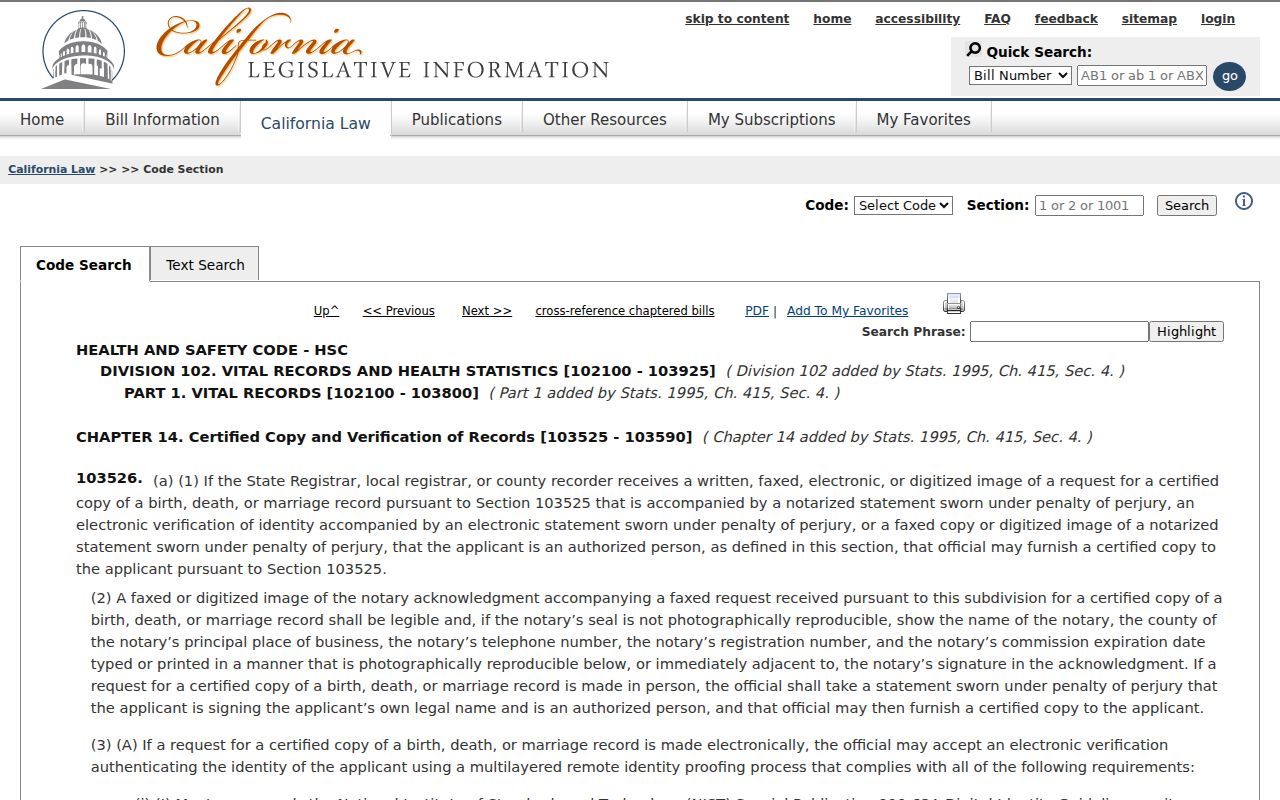
The legal-text image belongs beside the access rule: a record may confirm an event without supplying an unrestricted identity document.
The statewide California Department of Public Health vital-records page routes applications and explains statewide record types.
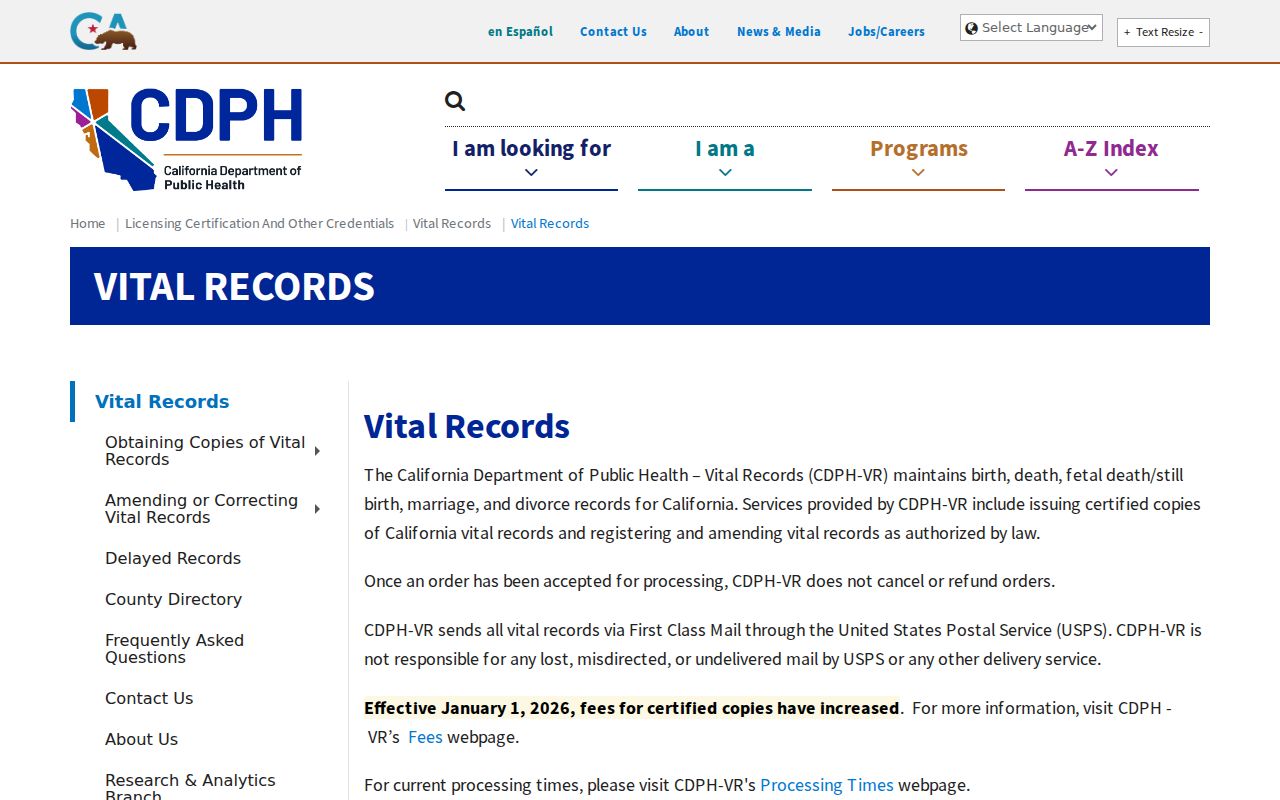
Use the state page for the statewide channel, then check whether a current or older event belongs with County Health, the Clerk-Recorder, or CDPH.
A separate endpoint is the California State Controller’s unclaimed-property search. It may produce a name lead for funds, but it is not proof of residence, ownership, inheritance, or a place where someone lived.
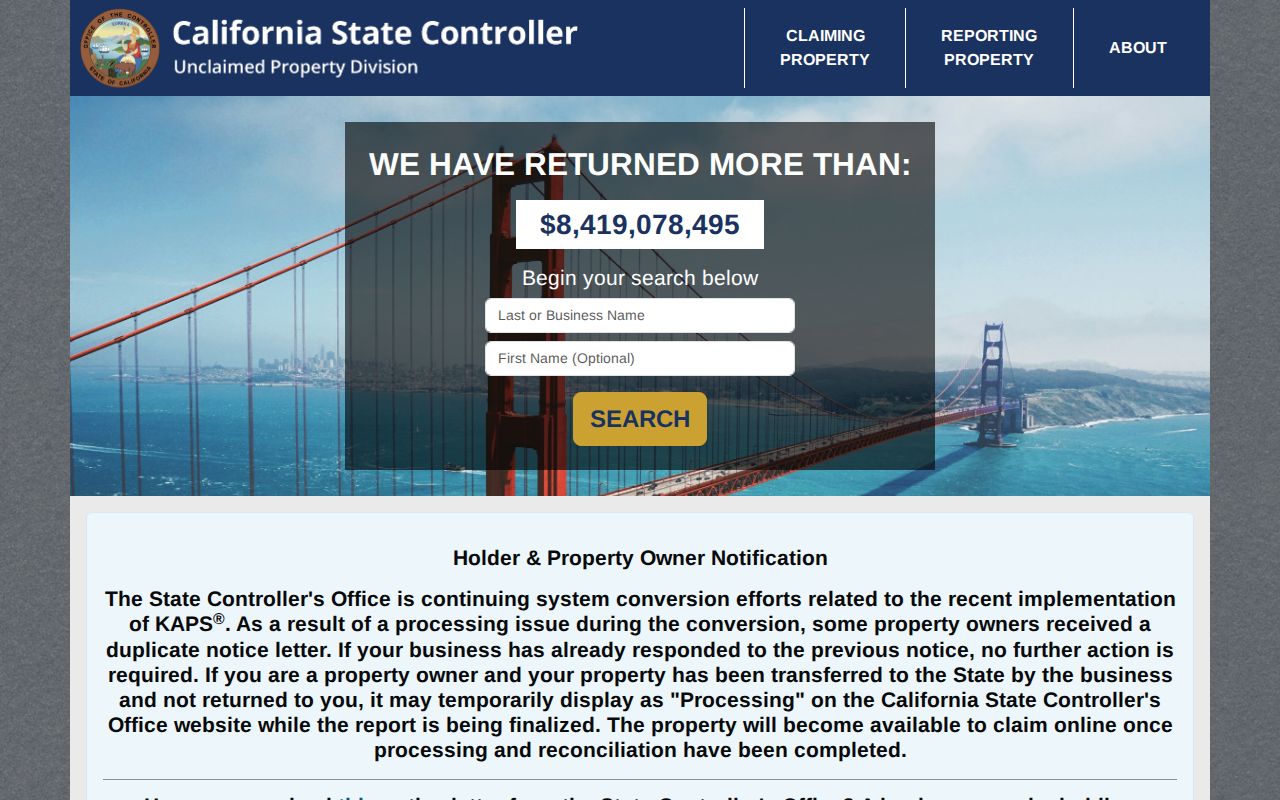
The image marks that distinction visually: a state search can be a lawful lead, but it cannot replace the deed, census, or obituary trail.
For older administrative records, the California State Archives county and city records guide helps identify a possible state-held collection.
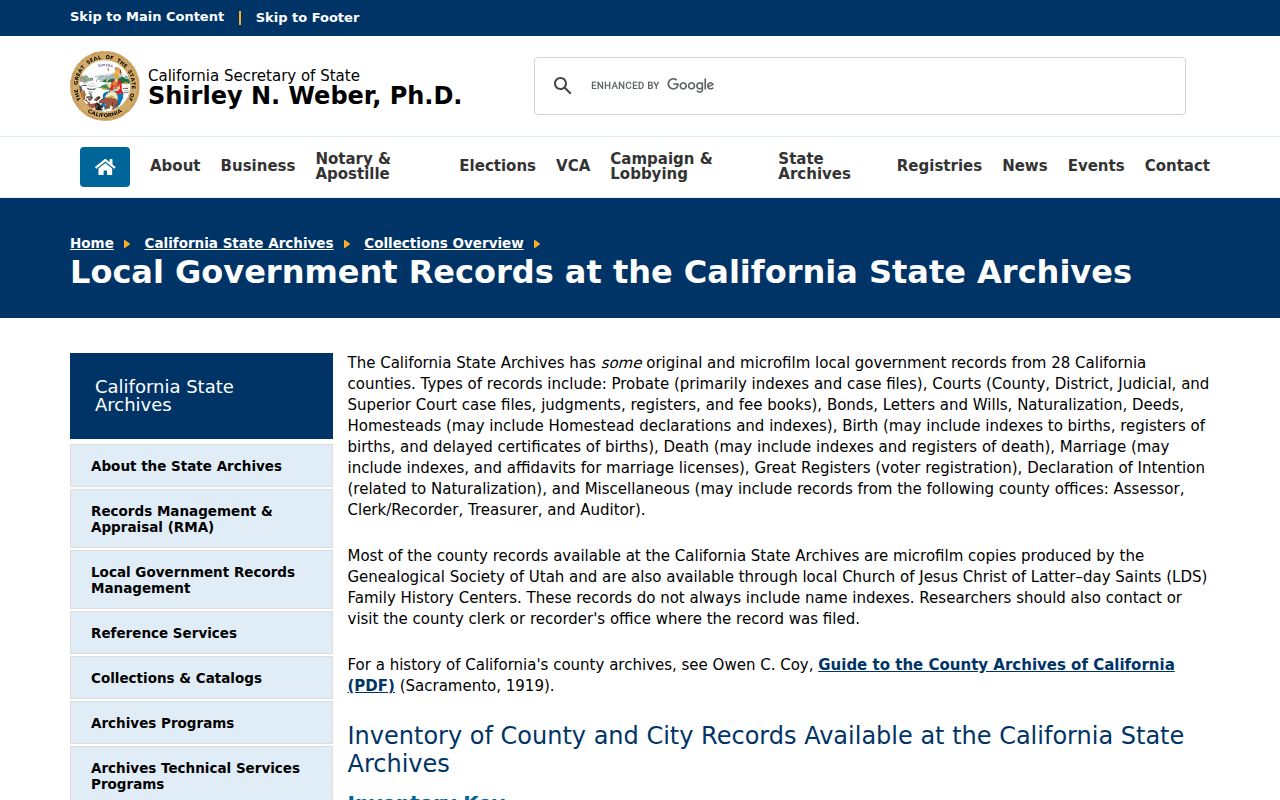
Archive guidance is a routing aid, not a claim that a particular Walnut Creek address file is online.
Lawful house history. Previous-resident research is appropriate for family history, a documented house history, estate work, and personal curiosity. Do not use a record trail to stalk, harass, track, or harm a living person. Respect sealed files, Safe at Home substitutions, redactions, and every custodian’s access rule.